Ryan Purkait
Mrs. Alldredge
History 8
7 June 2017
How can we solve some of the key disadvantages of having a centralized government like the European Union (EU)? Currently, the EU lacks efficient communication channels, and it uses them very rarely. Another massive disadvantage is the economies of involved countries all are hurt when one country needs a bailout or goes into a depression. One simple solution would be to abolish the entire EU and to replace it with a peace treaty and a 100% free trade deal which would continue off the better aspects of the EU. Another more complicated situation would be to remove the centralized currency and economy making the impact of economic crises less spread out.
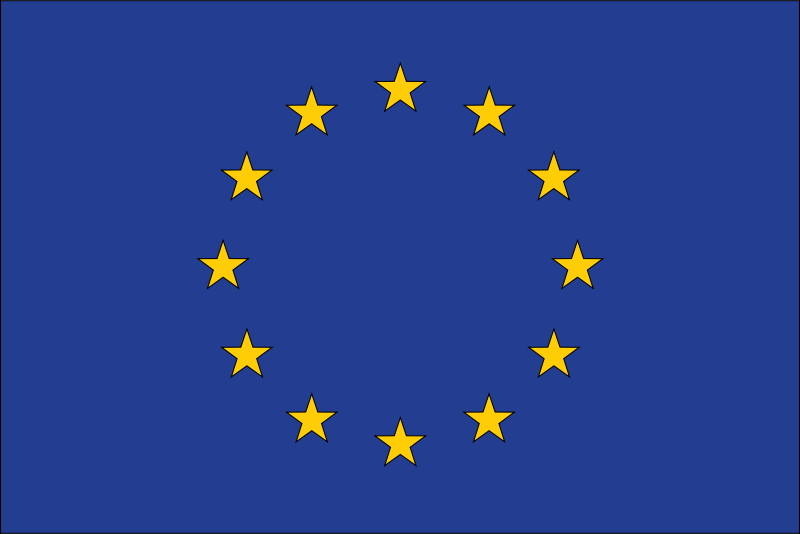
The European Union is a large coalition of 28 countries. The EU originally started as the European Economic Community in 1958 (European Union Website) with the goal of improving economic cooperation between the members. As the community expanded, it changed to the European Union in 1993 (European Union Website). This new organization was created to be in charge of managing policy for health to external relations and security, justice and migration. Additionally, in 1999 the Euro was introduced as a virtual currency across the EU for cashless payments. The Euro evolved into a full blown currency in 2002 when banknotes and coins began to be minted (European Union Website).
A few key problems with the EU are how its globalized currency can cause problems for all of the involved countries. Because the Euro only unites all of the countries currencies and not the economic policies, this can be a recipe for disaster. As seen by the Greek Financial Crisis, which was caused by poor government management, the Euro took a massive plunge in its value. Greece had to take many bailouts which they could not pay back, which was one of the causes of the sharp decline of the Euro (Greek). Another problem is the strain placed on member countries to keep up with the refugee crisis. The EU has accepted over 300 thousand refugees, but almost 140 thousand of them reside in Germany putting a strain on the government and public resources that Germany provides (Migrant). As many of the refugees do not speak German, this can cause problems for the job market losing out on a good supply of workers. The lack of working refugees can cause problems for the governments if they have to pay for the costs associated with refugees if they cannot support themselves. Another issue would be the lack and inefficiency of communication that the EU has. The headquarters in Brussels publishes press reports almost daily, but they are in different languages and usually, don’t propagate across most of the citizens. These inconsistent press reports can leave the very people needed to support the EU in the dark about what is going on in the EU. These problems can lead to serious consequences that have been shown time and time again.
The adverse effects of the Euro are that all of the countries using the Euro are affected when one has an economic failure. When the entire currency is being used across one of the largest markets in the world, but the market has different policies on how the currency can be managed in different locations, that can cause significant problems. It is severe when the Euro is considered the second most valuable currency just below the dollar. The connected economy can cause various consequences that were shown by the Greece debt crisis. One consequence was that countries using the Euro must agree to cut back government spending, which would lead to a decline in economic growth. Second, Eurobonds were introduced which could cause the US Treasury to compete with eurozone countries, increasing interest rates back in the US. To counter these very serious negatives with the EU. some countries have already attempted and tried solutions.
A few solutions have already been sought to improve the EU or the position of its member countries. One major solution is the United Kingdom’s Sterling Pound, which is a separate currency that has distanced itself from the declining Euro. A separate currency isn’t the best solution, however. The UK (while it is still in the EU), has to be under the policies that the EU introduces, which can lead to problems with corporations like the EU v. Apple and EU v. Microsoft, which can hurt the economy further. A much more extreme solution would be to depart from the EU as “Brexit” did. This solution can cause problems with trade relations and immigration of already integrated migrants.
My solution is to move the EU into a simpler less overreaching organization. The goal would be remove the euro and revert to currencies set by the countries and their respective economic policies. A global conversion rate should be set by the EU to keep trading simple. On the topic of trading, I believe that there should be no tariffs on trades within the EU and that should be maintained without forcing corporations to deal with strict and confining regulations. As the EU has maintained peace for the past 70 years, they should take steps to continue on this long time of nonviolence by combining all of the militaries of the member countries, creating coalition similar to NATO. All of these reductions in control should fix the problems caused by the globalized currency and overreaching immigration and business policies. Compared to the previous solution this solution keeps peace and trade deals in mind. Once Brexit succeeds, the UK will have to arrange trade deals with the EU and other nations instead of having already implemented policies.
Overall, the EU is in a rocky patch right now. A few of member countries are considering departing, and the currency, which is quite volatile, is beginning a slow deterioration. On top of that, the EU is caught up taking in the refugees fleeing the battle zone in the Middle East putting unnecessary strain on member countries. With some reform and improvements, it would be possible to turn the EU into a more transparent and less overreaching organization that leaves countries up to their own devices, improving peace, economics, and trade.

Works Cited
"COUNTRY COMPARISON :: POPULATION." Central Intelligence Agency. Central Intelligence Agency, n.d. Web. 17 May 2017.
"European Union Website, the Official EU Website." European Union Website, the Official EU Website - European Commission. European Union, n.d. Web. 17 May 2017.
"European Union." Wikipedia. Wikimedia Foundation, 16 May 2017. Web. 17 May 2017.
"Federal Regulations Have Made You 75 Percent Poorer." Federal Regulations Have Made You 75 Percent Poorer - Reason.com. Reason.com, 21 June 2013. Web. 6 June 2017.
"GDP (current US$)." GDP (current US$) | Data. World Bank, n.d. Web. 17 May 2017.
"Greek Government-debt Crisis." Wikipedia. Wikimedia Foundation, 13 May 2017. Web. 26 May 2017.
Kenny, Thomas. "What Is the European Debt Crisis?" What Is the European Debt Crisis? The Balance, 21 Feb. 2017. Web. 17 May 2017.
"Migrant Crisis: Migration to Europe Explained in Seven Charts." BBC News. BBC, 04 Mar. 2016. Web. 26 May 2017.
Politico. "How to Solve Europe’s Migration Crisis." POLITICO. POLITICO, 08 Feb. 2016. Web. 24 May 2017.